























What the colour blindness test shows
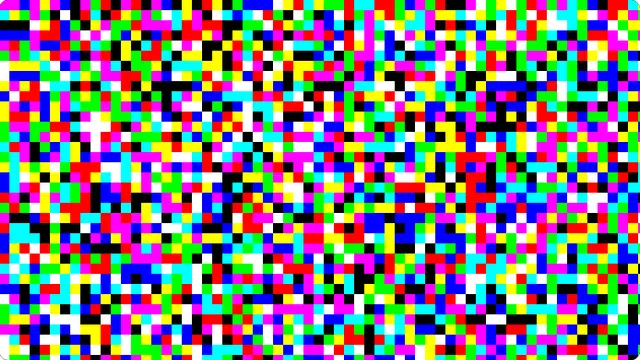
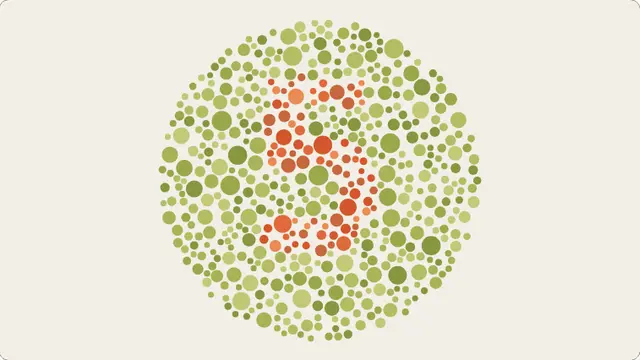
The plates are generated rather than reproduced. The classic Ishihara plates are under copyright, so nothing here is scanned or traced: dots are packed procedurally and the ones falling inside a digit are tinted from a different palette. Same principle, different artwork.
Start with the control plate. It uses light and dark rather than hue, so everybody should read it. If you cannot, the problem is the screen or the viewing conditions rather than your colour vision, and the other plates will not tell you anything.
How to use these plates
View them at full screen, at arm’s length, under normal indoor lighting rather than in a dark room. Look for a second or two and move on — deliberate staring lets you pick out the digit by subtle brightness differences rather than by colour, which defeats the point.
The red-green plates screen for the common protan and deutan types, which affect roughly one man in twelve. The blue-yellow plate screens for tritan, which is far rarer.
What this test cannot tell you
This is a screening aid, not a diagnosis. A real test uses calibrated printed plates under controlled lighting, and a web page can control neither your display nor your room. If a plate is hard to read, that is a reason to see an optometrist, not a conclusion.