
















What a blue screen is used for
- Testing the blue subpixel of every pixel on the panel
- Chroma key work where the subject is wearing green
- Checking blue channel banding, which is where 8-bit panels struggle most
- A calm, flat background for photography
Blue screen online: #0000FF at full screen
Blue is the third of the three single-channel tests. It is also the hardest channel for a display to render smoothly: the eye is least sensitive to blue detail, so panel makers spend the fewest bits there, and blue gradients band visibly on screens where red and green look fine.
Blue is the older chroma key colour and still the right one when your subject is wearing green, or when you want the spill on their edges to read as shadow rather than as a colour cast. Film used blue long before television settled on green.
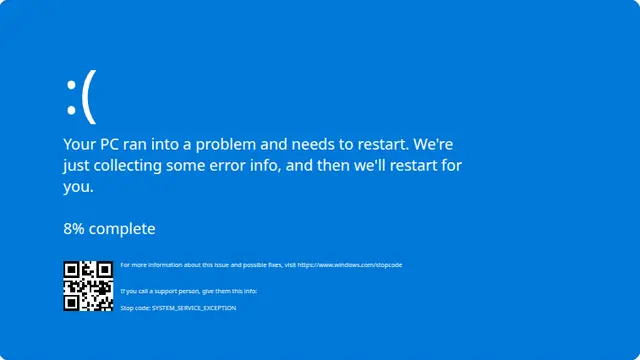
This is a plain blue screen, not the Windows crash screen. If you were looking for the Blue Screen of Death, that is a different page — it has the error text, the sad face and the progress counter.
How to get a full screen blue background
Press the fullscreen button on the player above, or the F key. Escape returns you to the page. On a desktop browser F11 does the same job and hides the browser's own toolbars as well.
The colour box is a control, not a picture: use the hex field to enter any value, pick another shade from the palette, or download the current colour as a PNG at your screen's resolution. Whatever you set is written into the address bar, so the link you copy reproduces exactly what you are looking at.